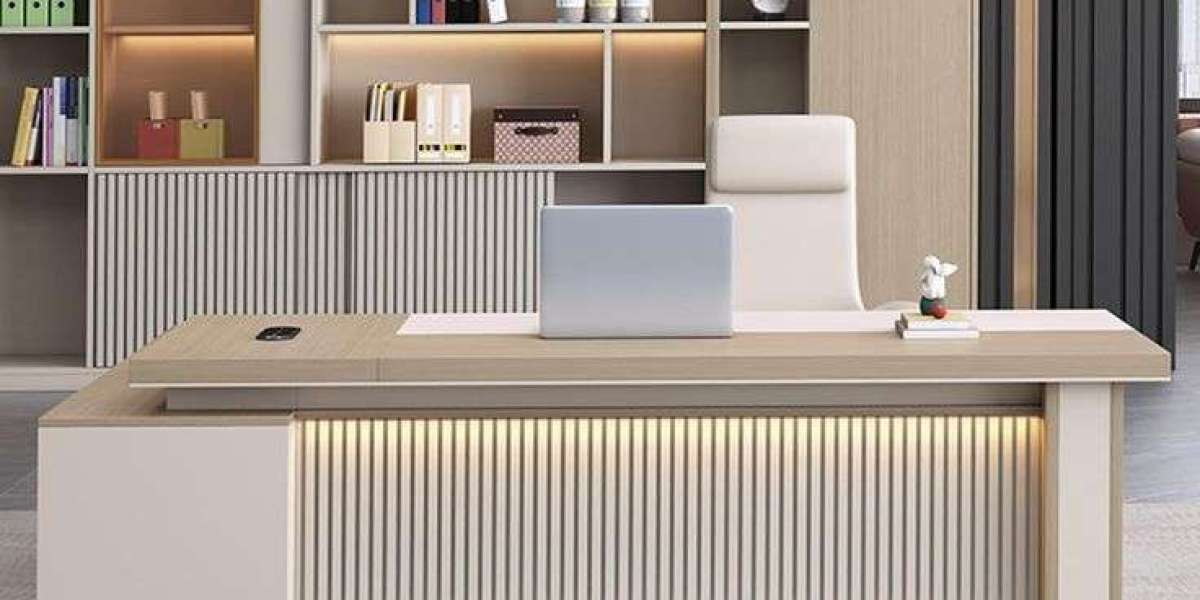

Creating a Productive Environment With Practical Furniture
A comfortable and organized workplace can make a meaningful difference in how employees perform their daily responsibilities. From completing administrative tasks to attending meetings and welcoming clients, people rely on their surroundings to support their work. Carefully selected Office furniture helps businesses create functional workstations, maintain a professional appearance, and use available space more effectively. Furniture choices should reflect the company's operations, employee requirements, interior design, and budget. A startup may need compact desks and flexible seating, while an established corporation may require executive workstations, conference tables, and extensive storage. Businesses throughout the Philippines, particularly in commercial centers such as Manila and Quezon City, can benefit from planning their office interiors before purchasing new furnishings. Instead of choosing products based only on their appearance, decision-makers should evaluate comfort, durability, dimensions, and maintenance requirements. A well-planned workspace can support collaboration, reduce everyday clutter, and provide an environment where employees feel prepared to complete their work efficiently.
Understanding the Different Types of Office Furniture
Every workplace requires a combination of furniture suited to its activities. Desks provide space for individual tasks, chairs support comfortable seating, cabinets organize documents, and meeting tables create areas for discussions. Reception counters and visitor seating help businesses welcome clients, while shelving units and storage pedestals keep essential supplies accessible. Understanding these categories makes it easier to create a complete furnishing plan.
Individual workstations are useful for employees who need dedicated areas for computer work, paperwork, or administrative duties. Shared workstations may be appropriate for teams that collaborate regularly or use flexible working arrangements. Executive desks can provide additional surface space and storage, while conference tables help accommodate group discussions. Businesses with limited floor space may benefit from multipurpose furniture that serves more than one function.
The selection process should begin with a review of how each room will be used. An office with frequent client meetings will have different requirements from a workplace focused on data entry or digital operations. Schools, medical facilities, government offices, and private companies may also need specialized furniture based on their daily activities. By identifying these needs early, businesses can avoid purchasing unnecessary items and create an interior that supports their actual operations.
Selecting Desks That Match Employee Responsibilities
A desk should provide enough room for employees to work comfortably while keeping essential equipment within reach. The ideal size depends on the employee's responsibilities, the number of devices used, and the dimensions of the available workspace. Businesses should consider surface area, desk height, storage compartments, cable access, and construction quality when comparing products.
Employees who work with several monitors may require wider desks, while administrative staff may benefit from drawers for documents and stationery. Compact desks can help smaller offices accommodate more workstations without overcrowding the room. Modular desk systems are useful for businesses that expect their teams or layouts to change, as compatible units can often be rearranged to suit new requirements.
Material selection is equally important. Laminate surfaces are available in different finishes and can be practical for everyday commercial use. Wooden desks may suit businesses that prefer a traditional interior, while metal frames can provide additional structural support. Some desks include integrated cable management, helping reduce clutter around computers and electrical equipment.
Before purchasing, measure the intended location and compare the desk dimensions with nearby furniture. Employees should have enough room to move their chairs, open drawers, and access equipment without difficulty. Choosing desks according to actual work requirements can improve organization and help businesses make better use of their investment.
Improving Employee Comfort Through Ergonomic Seating
Seating plays a major role in workplaces where employees spend long periods working at computers, reviewing documents, or participating in virtual meetings. A suitable chair should provide appropriate support and allow adjustments for individual needs. Features such as seat-height controls, lumbar support, armrests, and adjustable backrests can help users find a comfortable sitting position.
Different office areas require different chair styles. Task chairs are designed for regular desk work, while executive chairs may offer additional cushioning and a formal appearance. Meeting rooms need seating that accommodates discussions, and reception areas require practical chairs for visitors. Training rooms may benefit from lightweight seating that can be moved when the room needs to be rearranged.
Businesses should consider the expected frequency of use when selecting chairs. Seating used throughout the working day may require stronger construction and more adjustment options than chairs used occasionally. Testing samples before ordering large quantities can help decision-makers assess comfort, movement, and material quality.
It is also important to consider how chairs work with desks. Seat height, legroom, and armrest clearance should allow employees to sit comfortably without being forced into awkward positions. Regular cleaning and maintenance can help preserve the condition of the upholstery and adjustment mechanisms. Selecting suitable chairs supports a more comfortable workplace while helping businesses maintain practical and consistent workstations.
Organizing Documents and Supplies With Smart Storage
An organized office helps employees locate the materials they need and maintain clear working surfaces. Without suitable storage, documents and supplies can accumulate on desks, reducing available workspace and creating unnecessary distractions. Filing cabinets, cupboards, shelving units, mobile pedestals, and lockable drawers provide practical ways to manage these items.
The best storage system depends on the volume and type of materials a business handles. Companies that maintain paper records may need dedicated filing cabinets with clearly labeled drawers. Offices that rely on digital documentation may require smaller storage units for stationery, printers, electronic accessories, and shared supplies. Lockable cabinets can help protect confidential paperwork and valuable equipment.
Businesses operating in smaller commercial spaces can make use of vertical storage to reduce the amount of floor area occupied by cabinets. Mobile pedestals can be placed beside desks and moved when workstations change. Adjustable shelving also allows storage areas to accommodate different item sizes.
Storage placement should support easy access without blocking walkways, doors, or emergency exits. Frequently used supplies should remain convenient to reach, while less frequently used materials can be stored in designated cabinets. A clear organizational system, combined with appropriate furniture, helps maintain a professional interior and reduces the time employees spend searching for everyday items.
Choosing Durable Materials for Long-Term Use
The quality of furniture materials affects appearance, maintenance, and expected lifespan. Businesses should assess these factors before making purchases, especially when furnishing spaces that receive heavy daily use. Desks, cabinets, and chairs must withstand regular handling while remaining suitable for the office environment.
Solid wood can provide a distinctive appearance, although its cost and maintenance requirements depend on the species and finish. Engineered wood with laminate surfaces can be a practical option for workstations and cabinets. Metal frames may offer structural strength, while durable upholstery can help seating withstand repeated use. Buyers should also inspect hinges, drawer runners, handles, joints, and other components that influence everyday performance.
The climate in the Philippines should be considered when choosing materials. Humidity and seasonal moisture can affect certain wood products and finishes, depending on their construction and protective treatments. Businesses should ask suppliers about moisture resistance, cleaning methods, and recommended storage conditions. Good ventilation and routine maintenance can also help preserve furniture quality.
Price alone is not a reliable measure of durability. A product with stronger construction may provide better long-term value if it requires fewer repairs or replacements. Comparing material specifications, warranty terms, and maintenance requirements helps businesses make informed decisions that suit both their operational needs and available budget.
Designing Reception Areas That Welcome Visitors
Reception areas often provide the first physical impression of a company. A clean and organized entrance can communicate professionalism while making visitors feel comfortable. Furniture in this space should support reception staff, provide convenient seating, and maintain a clear route through the office.
A reception counter should have enough room for computers, documents, and other essential equipment. Its height and layout should allow staff to manage inquiries comfortably while maintaining a suitable interaction with visitors. Depending on the available space, a waiting area may include individual chairs, a small table, and a compact storage unit.
Furniture finishes should complement the company's branding and the wider interior. Neutral colors can create a calm and professional appearance, while carefully chosen accent colors may add character. Businesses should avoid overcrowding the reception area with decorative pieces or oversized furniture that restricts movement.
Durability is particularly important because reception furniture may be used by many different people throughout the day. Easy-to-clean surfaces and sturdy seating can simplify maintenance and help preserve the area's appearance. By selecting furniture according to visitor needs and room dimensions, companies can create an entrance that is both practical and welcoming.
Creating Functional Meeting and Collaboration Spaces
Meeting rooms support decision-making, presentations, training, and teamwork. The furniture in these areas should encourage communication while providing enough space for participants and their equipment. Businesses should consider the typical number of attendees, the room dimensions, and the types of meetings held before selecting tables and chairs.
A conference table should accommodate participants without making the room difficult to navigate. Smaller businesses may prefer compact rectangular tables, while larger organizations may need extended conference tables for departmental meetings. Modular tables can offer flexibility when rooms are used for different activities, such as training sessions or collaborative workshops.
Seating should provide adequate comfort for the expected meeting duration. Businesses should also consider space for laptops, notebooks, presentation materials, and refreshments where appropriate. Cable access and nearby electrical outlets can be useful for meetings involving electronic devices.
The room layout should allow participants to see and hear one another comfortably. Chairs should be easy to move, and walkways should remain clear. Storage for presentation equipment and meeting supplies can further improve organization. Well-planned collaboration areas make it easier for employees to share ideas and complete group activities without unnecessary interruptions.
Planning a Furniture Budget That Delivers Value
Furniture purchasing requires a clear budget, particularly when businesses need to furnish several departments at once. The first step is to list the required items, estimate quantities, and identify which products are essential for daily operations. This helps decision-makers establish spending priorities and avoid purchases that do not provide immediate value.
When comparing quotations, businesses should examine the total cost rather than focusing only on the advertised price. Delivery, installation, assembly, maintenance, and potential replacement expenses can all affect the final investment. Warranty coverage and the availability of replacement parts may also influence long-term value.
Purchasing in stages can be useful for companies with limited budgets. Essential desks, chairs, and storage units can be acquired first, while additional meeting furniture or decorative items can be considered later. Reusing existing furniture may also reduce costs if the items remain safe, functional, and suitable for the new layout.
Businesses should request clear quotations that specify product dimensions, materials, quantities, delivery arrangements, and any additional charges. Comparing products with similar specifications provides a more accurate understanding of value. Careful financial planning allows companies to create a functional office while maintaining control over furnishing expenses.
Finding a Reliable Supplier for Your Workplace
Choosing a suitable supplier can simplify the furnishing process and reduce the risk of delays or unsuitable purchases. Businesses should look for clear product information, transparent pricing, responsive communication, and realistic delivery schedules. Suppliers offering desks, chairs, storage units, and meeting furniture may help companies coordinate larger projects more efficiently.
For businesses in Manila and Quezon City, it is useful to confirm product availability, delivery coverage, customization options, and installation services before placing an order. Where possible, inspect samples or showroom displays to evaluate construction, finishes, and comfort. For online purchases, request detailed measurements and specifications rather than relying only on product photographs.
Written quotations should include product descriptions, quantities, prices, warranty conditions, and delivery or installation fees. Customized furniture should have approved dimensions, materials, and finishes documented before production begins. These steps help prevent misunderstandings and support smoother project coordination.
After-sales support is another important consideration. Ask how damaged products, missing components, repairs, and warranty claims will be handled. A supplier that provides clear answers and consistent communication can make the purchasing experience more manageable. Comparing several suppliers helps businesses identify options that match their requirements, timelines, and budget.
Conclusion
Creating a productive workplace involves more than filling rooms with desks and chairs. Businesses need furniture that supports employee comfort, improves organization, makes effective use of available space, and reflects their professional identity. Careful planning, durable materials, practical storage, and suitable seating can help companies establish workspaces that serve their daily needs.
Businesses across the Philippines should assess their floor plans, employee requirements, budgets, and future expansion plans before purchasing new furnishings. Comparing product specifications and supplier services can help reduce unnecessary expenses and improve long-term value. When exploring options for workplace furnishing, Cebu office furniture den can be considered as part of the supplier research process. By prioritizing functionality, comfort, and durability, businesses can create professional environments that support their teams and adapt to changing operational demands.