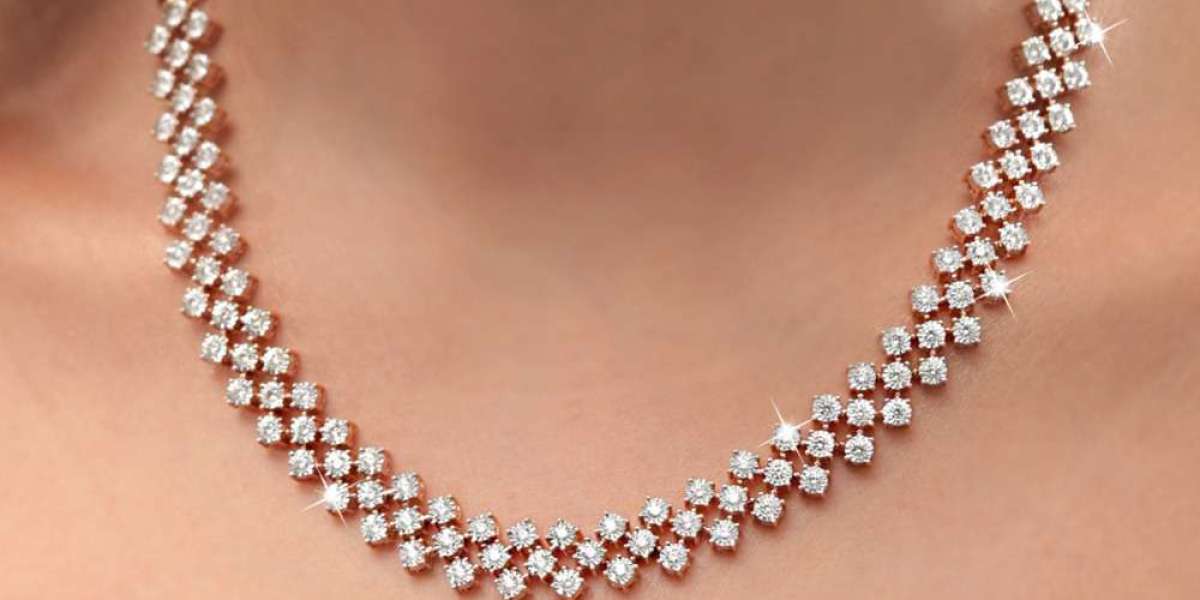

Jewelry is often chosen to celebrate special moments, express personal style, or add elegance to everyday outfits. Among the many jewelry options available, diamond necklaces for women remain a popular choice because of their timeless appearance, versatility, and lasting appeal. Whether someone prefers a delicate pendant, a classic solitaire design, or a statement necklace, the right piece can complement different outfits and occasions without looking outdated.
However, selecting a diamond necklace involves more than choosing an attractive design. Diamond quality, necklace length, metal type, setting, and personal preferences should all be considered before making a purchase. Understanding these details can help buyers make informed decisions and find a piece that offers both beauty and long-term value.
Why Diamond Necklaces Remain a Popular Jewelry Choice
Diamonds have been appreciated in fine jewelry for generations. Their brilliance, durability, and distinctive appearance make them suitable for everyday wear as well as important celebrations. A carefully selected diamond necklace can become a meaningful part of someone's jewelry collection.
Unlike some fashion accessories that follow temporary trends, diamond necklaces are available in designs that remain stylish over time. They can also be paired with different jewelry pieces, including diamond earrings, bracelets, and rings.
Some reasons why women choose diamond necklaces include:
Timeless appeal: Classic diamond designs can be worn across different fashion trends.
Versatility: They can complement casual outfits, formal dresses, and professional clothing.
Personal meaning: Diamond necklaces are frequently selected for anniversaries, birthdays, and other memorable occasions.
Design variety: Buyers can choose from minimalist pendants to detailed statement pieces.
Durability: Diamonds are among the hardest naturally occurring materials, making them suitable for jewelry when properly maintained.
The combination of elegance and versatility makes diamond necklaces a meaningful addition to a personal jewelry collection.
How to Choose the Right Diamond Necklace
Finding a suitable necklace requires attention to several important details. A beautiful design should also match the wearer's preferences, budget, and intended use.
Understand the Four Cs of Diamond Quality
The four Cs are widely used to evaluate diamond quality. They include cut, color, clarity, and carat weight.
Cut
Diamond cut influences how effectively a stone reflects light. A well-cut diamond generally displays better brilliance and sparkle. Cut quality should not be confused with the diamond's shape, as these are two different characteristics.
Color
Diamond color is commonly graded from D to Z, with D representing colorless diamonds. The difference between grades may be subtle, particularly in smaller stones.
Clarity
Clarity refers to internal characteristics called inclusions and external features called blemishes. Diamonds with fewer visible imperfections generally receive higher clarity grades.
Carat Weight
Carat measures a diamond's weight, not its physical dimensions. Two diamonds with the same carat weight may look different depending on their proportions and cut.
Before purchasing, buyers should review the available grading information and compare stones rather than relying on carat weight alone.
Select a Suitable Necklace Length
Necklace length affects how a pendant sits around the neckline. The right length should complement the wearer's clothing preferences and natural proportions.
Common necklace lengths include:
14 inches: A choker-style length that sits close to the neck.
16 inches: Usually rests around the base of the neck.
18 inches: A versatile length that generally sits near the collarbone.
20 inches: Creates a slightly longer appearance and works well with different necklines.
24 inches: Offers a longer look and can be suitable for layering.
The ideal length depends on personal preference, neck size, and the style of clothing being worn.
Matching Diamond Necklaces With Different Occasions
One of the biggest advantages of diamond necklaces is their ability to complement different occasions. However, choosing an appropriate design can make the overall appearance more balanced.
Everyday Wear
For daily use, smaller pendants and simple solitaire necklaces are practical choices. Lightweight designs are generally more comfortable and can be paired with casual outfits, office clothing, and everyday dresses.
When selecting an everyday necklace, consider:
A secure and comfortable chain.
A simple setting that does not easily catch on clothing.
A suitable length for regular use.
A design that matches other frequently worn jewelry.
Weddings and Formal Events
Formal occasions provide an opportunity to wear more detailed diamond jewelry. Halo pendants, multi-stone necklaces, and tennis necklaces can complement evening dresses and wedding outfits.
The neckline of the dress should also be considered. For example, a shorter necklace may work well with an open neckline, while a longer pendant can complement higher-neck clothing.
Anniversaries and Special Gifts
Diamond necklaces are frequently selected to celebrate important personal milestones. A solitaire pendant can represent simplicity and elegance, while a heart-shaped design can communicate affection.
For a meaningful gift, the recipient's existing jewelry collection should be considered. This can help identify preferred metals, pendant shapes, and necklace lengths.
Natural vs. Lab-Grown Diamonds: What Should Buyers Know?
Another important consideration when purchasing a diamond necklace is whether to choose natural or lab-grown diamonds.
Natural diamonds are formed through geological processes deep within the Earth over extremely long periods. Lab-grown diamonds, on the other hand, are produced using controlled technological processes that replicate the conditions required for diamond formation.
Both types have essentially the same chemical composition and crystal structure.
Here are some important differences:
Feature | Natural Diamonds | Lab-Grown Diamonds |
|---|---|---|
Origin | Formed naturally underground | Created in laboratories |
Composition | Crystalline carbon | Crystalline carbon |
Appearance | Natural diamond brilliance | Comparable diamond brilliance |
Availability | Limited natural supply | Produced through technology |
Pricing | Generally higher | Generally more affordable |
The right choice depends on personal preferences, budget, and the importance placed on natural origin.
Buyers should also check whether the diamond has been accurately identified and whether its grading documentation is provided by a reputable laboratory.
Tips for Maintaining Your Diamond Necklace
Although diamonds are highly durable, the complete necklace still requires proper care. The chain, setting, and metal can be affected by everyday wear, chemicals, and improper storage.
A few simple maintenance practices can help preserve its appearance.
Clean it regularly: Use a soft brush, mild soap, and lukewarm water when appropriate for the necklace's materials.
Avoid harsh chemicals: Perfumes, cleaning products, and other chemicals may affect the metal or its finish.
Store it separately: Keep the necklace in a soft jewelry pouch or separate compartment to prevent scratches and tangling.
Check the setting: Prongs and other diamond-holding components should be inspected periodically.
Remove it during physical activities: Avoid wearing delicate jewelry during exercise, swimming, or activities that could damage the chain.
Professional inspection is also recommended when a necklace is worn frequently. Loose settings should be repaired before the diamond becomes dislodged.
What to Check Before Purchasing a Diamond Necklace
A diamond necklace should be selected after considering both its appearance and quality. Buyers should avoid making decisions based solely on attractive product photographs or promotional descriptions.
Before completing a purchase, consider the following points:
Review diamond certification: Check whether an independent grading report is available for the diamond.
Understand the materials: Confirm the metal type, purity, and diamond specifications.
Examine the setting: Make sure the diamond is securely positioned.
Compare designs: Explore different pendant styles, chain lengths, and metal options.
Check return policies: Understand the seller's exchange, return, and warranty conditions.
Consider long-term wear: Choose a design that can be comfortably worn and maintained.
A transparent purchasing process helps buyers understand what they are paying for and reduces the chances of disappointment.
Final Thought
Choosing the right diamond necklace is about finding a balance between personal style, quality, comfort, and long-term appeal. From minimalist solitaire pendants to elegant halo and tennis designs, there are many options available for different preferences and occasions. Diamond necklaces for women can be meaningful additions to a jewelry collection when their quality and design are carefully considered. By understanding diamond grading, comparing metal options, and selecting a suitable necklace length, buyers can make more confident purchasing decisions. Ultimately, the best necklace is one that reflects the wearer's personality and can be enjoyed for many years.