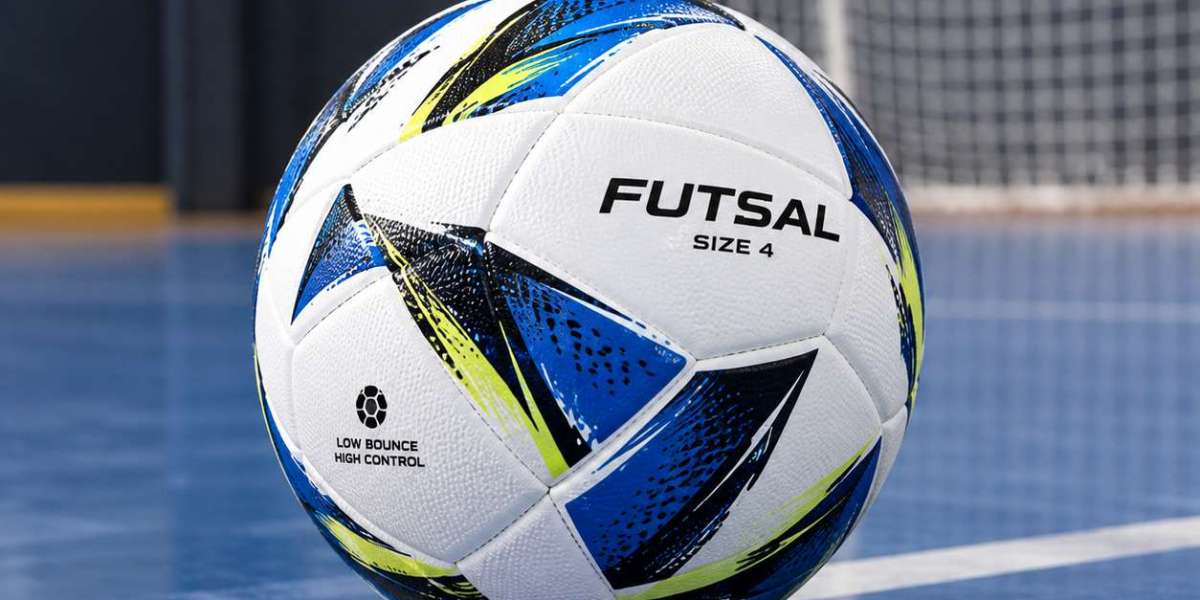

Choosing the right futsal ball is important for players, coaches, clubs, and sports organisations. Unlike traditional footballs, futsal balls are specifically designed for indoor courts and controlled playing conditions. When comparing futsal balls Australia, understanding the materials, size, weight, and performance features can help buyers select a ball that supports better control and consistent gameplay. AZU SPORTS provides football equipment designed to meet the needs of players at different skill levels.
Understanding futsal ball specifications is essential before purchasing equipment for training sessions, school competitions, or professional matches. A suitable futsal ball should offer reliable bounce control, comfortable handling, and durable construction. These features help players develop passing accuracy, improve ball control, and perform confidently during indoor games.
Understanding Futsal Balls and Their Purpose
Futsal is a fast-paced indoor version of football that requires quick decisions, accurate passing, and close ball control. The game is generally played on a hard court with five players on each team. Because the playing area is smaller than a traditional football pitch, players need equipment that responds accurately to their movements.
A futsal ball is designed with reduced bounce compared with a standard outdoor football. This feature helps players maintain possession and control the ball during quick passing sequences. Its construction also supports close control, making it suitable for indoor training and competitive matches.
Important Futsal Ball Specifications
Before purchasing a futsal ball, buyers should understand the technical features that influence its performance. These specifications help determine whether a ball is suitable for recreational play, regular training, or official competition.
Futsal Ball Size
Size is one of the most important factors when selecting a futsal ball. A standard adult futsal ball is generally size 4, which is smaller than a regulation size 5 outdoor football.
Size 4 futsal balls are commonly used in adult competitions because they support close control and accurate passing. Younger players may use smaller or age-appropriate training balls depending on their development level and competition rules.
Weight Requirements
The weight of a futsal ball affects how it moves across the court. Official adult match balls generally weigh between 400 and 440 grams, although exact requirements should be checked against the relevant competition regulations.
A properly weighted ball provides a consistent playing experience and helps players practise passing, shooting, and receiving techniques.
Reduced Bounce Performance
Reduced bounce is a defining feature of futsal balls. These balls are designed to bounce less than conventional footballs, allowing players to keep the ball close to their feet.
This construction is particularly useful on indoor surfaces, where a high-bouncing ball can make possession and passing more difficult. A controlled bounce supports the technical style of futsal and encourages accurate movement.
Material and Outer Cover
The outer material influences durability, grip, and overall playing performance. Futsal balls may feature synthetic materials such as polyurethane or PVC, depending on their construction and intended use.
A quality outer cover should withstand repeated contact with indoor surfaces while maintaining a consistent feel. Buyers should consider material quality when choosing equipment for clubs, schools, and frequent training sessions.
How to Choose the Right Futsal Ball in Australia
Finding suitable futsal balls Australia requires considering how frequently the ball will be used and who will be playing with it.
Select the Correct Playing Level
Recreational players may prefer an affordable and durable ball for casual indoor games. Clubs and competitive players should consider match-quality options with consistent weight, shape, and bounce characteristics.
For regular training, durability and reliable performance should be important priorities.
Consider Indoor Court Surfaces
Futsal is usually played on smooth indoor surfaces. The ball should be suitable for the intended court and provide predictable movement during passing and shooting.
Using a ball designed for outdoor football on an indoor futsal court may result in a different playing experience because of its bounce and construction.
Check Durability and Construction
A well-constructed futsal ball should maintain its shape during repeated use. Look for quality stitching or bonding, a reliable bladder, and an outer cover suited to indoor play.
These features can help extend the useful life of the ball, especially when it is shared by several players during training.
Benefits of Using the Correct Futsal Ball
Using an appropriate futsal ball can improve the quality of training and match performance.
Better Ball Control
The smaller size and reduced bounce help players keep possession in tight spaces. This encourages close control and allows players to practise quick touches.
Improved Passing Accuracy
A suitable futsal ball supports accurate short passes and quick combinations. Players can develop better timing, positioning, and awareness through regular practice.
More Effective Shooting Practice
Futsal requires players to shoot accurately in limited spaces. Practising with a properly weighted ball can help improve technique and confidence.
Consistent Training Experience
Using the same type of ball during training and matches helps players become familiar with its movement and response. This consistency can support skill development over time.
Futsal Training Balls vs Match Balls
Training and match balls can differ in construction, materials, and performance.
Training balls are generally selected for frequent use and durability. They are suitable for drills, school sessions, and regular club practice.
Match balls are designed to provide consistent performance during competitive games. Players and clubs should check the relevant competition requirements before choosing a match ball.
For teams that train regularly, having separate training and match equipment can help manage wear and maintain consistent playing conditions.
Why Choose AZU SPORTS for Futsal Equipment?
AZU SPORTS understands the importance of reliable football equipment for players, clubs, and sports organisations. Selecting suitable futsal balls is an important part of preparing for indoor training and competition.
When comparing available options, buyers should focus on quality, performance, durability, and the intended playing level. Choosing equipment that meets the needs of a team can help create a better training environment and support player development.
Tips for Maintaining Futsal Balls
Proper maintenance can help keep a futsal ball in good condition.
Store the ball in a cool, dry place away from direct sunlight. Check the recommended inflation pressure before use and avoid overinflating it. Clean the outer surface when necessary and inspect the ball regularly for signs of damage.
Using futsal balls on suitable indoor surfaces can also help reduce unnecessary wear. Following these basic steps can support longer-lasting performance.