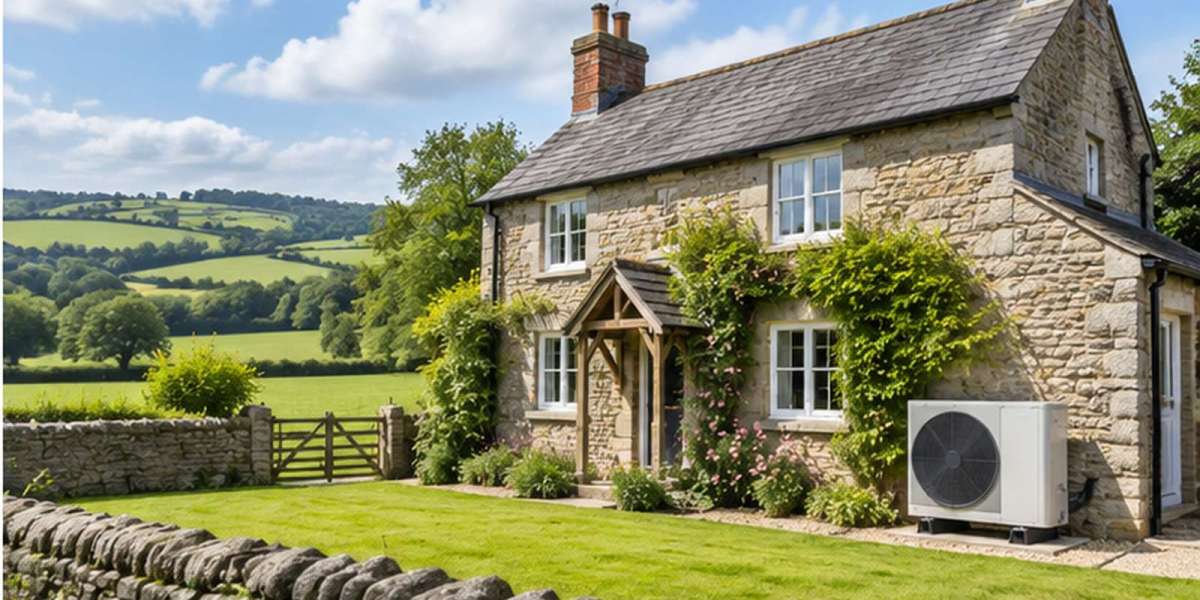

If you've searched for the Boiler Upgrade Scheme UK, the first point to understand is that the scheme is not available throughout the entire United Kingdom.
The Boiler Upgrade Scheme (BUS) specifically covers eligible properties in England and Wales. Scotland and Northern Ireland have different arrangements for home energy support.
Knowing which programme applies to your address can save you time and help you avoid planning an installation around a grant you cannot claim.
Where in the UK Does the Scheme Operate?
In England and Wales, the Boiler Upgrade Scheme supports eligible low-carbon heating installations in homes and some non-domestic buildings.
That can include urban terraces, suburban semi-detached homes and rural properties, provided the installation and ownership rules are met.
Scotland: The England-and-Wales BUS grant does not apply. Homeowners should check current Scottish home energy funding programmes rather than assuming the same amount is available.
Northern Ireland: BUS does not cover Northern Ireland. Residents should review local energy-efficiency assistance and current government guidance.
What Grants Are Available in England and Wales?
Standard support includes:
£7,500 for eligible air-to-water or ground source heat pumps.
£2,500 for qualifying residential air-to-air heat pumps.
£5,000 for qualifying biomass boilers.
Biomass support is generally restricted to rural properties away from the gas grid.
A temporary uplift brings the grant to £9,000 for eligible air-to-water or ground source installations replacing oil or LPG heating in properties without a mains gas connection.
This enhanced rate is available until 31 March 2027, subject to the full scheme rules.
Which UK Property Owners Can Apply?
The scheme is not only for people living in their own homes.
Eligible applicants may include:
Homeowners replacing an existing gas, oil, LPG or conventional electric heating system.
Landlords upgrading qualifying rental properties.
Owners of qualifying second homes and business properties.
Certain self-build owners who meet the relevant criteria.
Most new developments and social housing are excluded.
Funding previously received for insulation does not automatically prevent a BUS application, although installations already supported by certain other government heat-pump or biomass grants may be excluded.
Does a Rural Home Have an Advantage?
Rural homes often rely on heating oil or LPG because they are not connected to the mains gas network.
If your property uses one of these fuels, the enhanced £9,000 grant could make a substantial difference to the cost of switching to a heat pump.
However, there is no universal rural bonus for every off-grid house.
Your present heating fuel, gas connection, proposed technology and other eligibility criteria determine the grant available.
What Should You Check Before Getting a Quote?
Ask an installer to assess your home's heat loss, insulation, radiators, electrical supply and space for an outdoor unit.
Good system design matters as much as grant eligibility.
Also confirm whether the quotation includes necessary hot-water storage or electrical upgrades.
If you are based in England or Wales, explore the Boiler Upgrade Scheme UK information from Berks Insulation to understand how to begin an eligibility check.
Final Thoughts
The Boiler Upgrade Scheme is valuable, but its geographic boundaries matter: England and Wales qualify; Scotland and Northern Ireland do not participate in BUS.
Check your location and property circumstances first, then compare detailed quotes from MCS-certified installers before deciding on a heating upgrade.