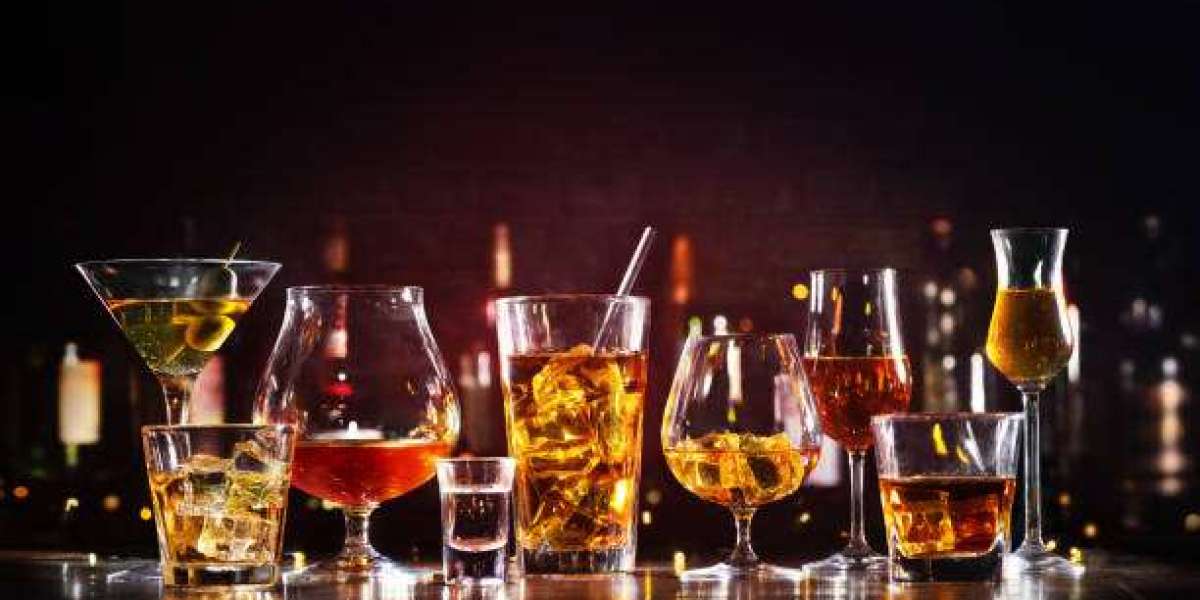

Sweden’s alcoholic drinks sector is expected to experience modest value growth through 2032, as established beverage preferences evolve alongside greater interest in moderation, premium products and sustainable packaging. According to Vyansa Intelligence, the sector was valued at $10.75 billion in 2025 and is projected to reach $11.27 billion by 2032, representing a CAGR of 0.68% during 2026–2032. The outlook points to a mature sector in which product innovation and changing consumer priorities are more significant than rapid volume expansion.
Wine Maintains the Largest Category Share
Wine accounted for 40% of Sweden’s alcoholic drinks sector in 2025, making it the largest product category. Its position is supported by established consumer preferences and the broad selection available through Systembolaget, Sweden’s state-owned alcohol retail chain. The report forecasts a modest wine volume CAGR of approximately 0.28% over the forecast period.
The category is also adapting to changing expectations around health and sustainability. Low- and non-alcoholic wine varieties are becoming more relevant as consumers look for alternatives with lower alcohol content. At the same time, packaging is receiving greater attention, with lighter bottles and alternatives to heavy glass formats forming part of sustainability initiatives.
These developments indicate that wine’s position is supported not only by its established place in consumption habits but also by the ability of producers and retailers to respond to changing preferences. Product variety and packaging choices are increasingly relevant considerations alongside taste and brand recognition.
Off-Trade Retail and Systembolaget
Off-trade channels account for 55% of Sweden’s alcoholic drinks sector. Systembolaget plays a central role in this distribution structure, holding the retail monopoly for beverages above 3.5% alcohol by volume. Its stores provide consumers with access to a wide range of wine and spirits, making the chain a major point of sale for higher-strength alcoholic beverages.
The report notes that inflation and economic pressures have made consumers more cautious about spending. Price sensitivity is encouraging some buyers to choose less expensive products, placing pressure on premium brands and mainstream offerings alike. Retailers and producers therefore need to balance product quality and differentiation with affordability.
On-trade sales, including purchases through bars and restaurants, have recovered following the pandemic. However, off-trade remains the leading channel. Its position reflects the importance of established retail arrangements and the convenience of purchasing beverages for consumption outside hospitality venues.
Systembolaget’s sustainability priorities also influence the wider retail environment. Its work with suppliers on packaging, transportation and emissions reduction provides an example of how environmental considerations can become part of purchasing and supply-chain practices.
Health Awareness and Lower-Alcohol Choices
Health consciousness is an important influence on consumer preferences in Sweden. The report identifies growing interest in lower-alcohol and non-alcoholic beverages, particularly among younger consumers. Lower-calorie products and alternatives to conventional beer, wine and spirits are becoming more prominent as consumers seek to align drinking choices with lifestyle preferences.
This trend is encouraging manufacturers to broaden their product portfolios. Non-alcoholic beer, wine and spirits provide alternatives for consumers who want to participate in social occasions while reducing or avoiding alcohol. Ready-to-drink beverages are also gaining attention, with innovation focused on convenient formats and varied flavours.
Official figures provide wider context for these developments. The Public Health Agency of Sweden reports that average alcohol consumption in 2025 was approximately 8.2 litres of pure alcohol per person aged 15 and above. Its figures also show that consumption has declined from the higher levels recorded in the mid-2000s. These patterns help explain why moderation and lower-strength alternatives remain relevant topics in Sweden’s beverage environment.
For producers, the opportunity is to provide choice across different alcohol strengths and consumption occasions. However, demand for alternatives should not be interpreted as a uniform shift among all consumers. Conventional alcoholic products continue to form a substantial part of the sector.
Premium Products and Flavour Innovation
Premiumisation is another factor shaping the sector. Consumers are showing interest in beverages that offer quality, authenticity and distinctive experiences. Craft beers, specialty spirits and niche wines are identified as product areas that can benefit from this preference.
The shift towards premium products is not necessarily associated with higher consumption volumes. Instead, some consumers are placing greater emphasis on taste and product characteristics, choosing distinctive beverages for particular occasions. This creates opportunities for producers to differentiate their ranges through specialty ingredients, new formats and carefully developed product portfolios.
Flavoured beverages and Radler beer are also identified as areas of interest. These products offer variety for consumers looking for different tastes and lighter drinking options. RTDs add another dimension through convenient formats and flavour-led innovation, while non-alcoholic versions of established beverage types broaden the range further.
For manufacturers, product development needs to account for both innovation and price sensitivity. Premium products may attract consumers seeking something distinctive, while economic pressures can encourage others to prioritise affordability. Maintaining a range that addresses these different preferences is an important competitive consideration.
Sustainability Becomes a Purchasing Consideration
Environmental considerations are becoming more visible in Sweden’s alcoholic drinks sector. The report identifies sustainable packaging, locally produced ingredients and lower carbon footprints as factors that can influence purchasing decisions. These priorities are encouraging businesses to consider environmental performance across product sourcing, manufacturing and distribution.
Packaging is a particularly relevant area. Systembolaget identifies packaging production as its largest source of climate impact across its value chain and has set a target to reduce the climate impact of its entire value chain by 50% by 2030, compared with 2019. Its collaboration with suppliers and industry partners includes work on more resource-efficient and recyclable packaging materials.
For beverage producers, these developments make packaging choices an important part of product strategy. Reducing reliance on heavy glass bottles and exploring alternative materials can support environmental objectives while responding to retailer expectations. Sustainability is therefore not limited to promotional messaging; it can influence operational decisions throughout the supply chain.
Competition and Industry Positioning
More than 10 companies are active in Sweden’s alcoholic drinks sector, with the five leading participants accounting for approximately 50% of the share, according to Vyansa Intelligence. The leading companies identified include Heineken NV, Anora Group Oyj, Galatea Spirits AB, Spendrups Bryggeri AB and Carlsberg A/S.
Other companies named in the report include Åbro Bryggeri AB, Kopparbergs Bryggeri AB, Krönleins Bryggeri AB, Molson Coors Brewing Co and Herrljunga Cider AB. Their presence reflects competition across beer, cider, RTDs, spirits and wine.
Companies are responding to changing preferences through premium products, lower-alcohol alternatives and flavour innovation. At the same time, economic pressures and taxation create challenges for manufacturers and distributors. Businesses must manage production and distribution costs while offering products that remain attractive to price-conscious consumers.
Outlook Through 2032
Sweden’s alcoholic drinks sector is expected to record gradual value growth, with wine retaining its leading category position and off-trade retail continuing to account for the larger share of sales. Health awareness, premiumisation and sustainability are likely to remain important influences on product development and consumer choices.
Lower-alcohol and non-alcoholic beverages, RTDs and flavoured products provide opportunities for innovation, while sustainable packaging is becoming a more prominent consideration for retailers and suppliers. The projected increase to $11.27 billion by 2032 reflects a sector balancing established preferences with gradual changes in quality expectations, moderation and environmental responsibility.