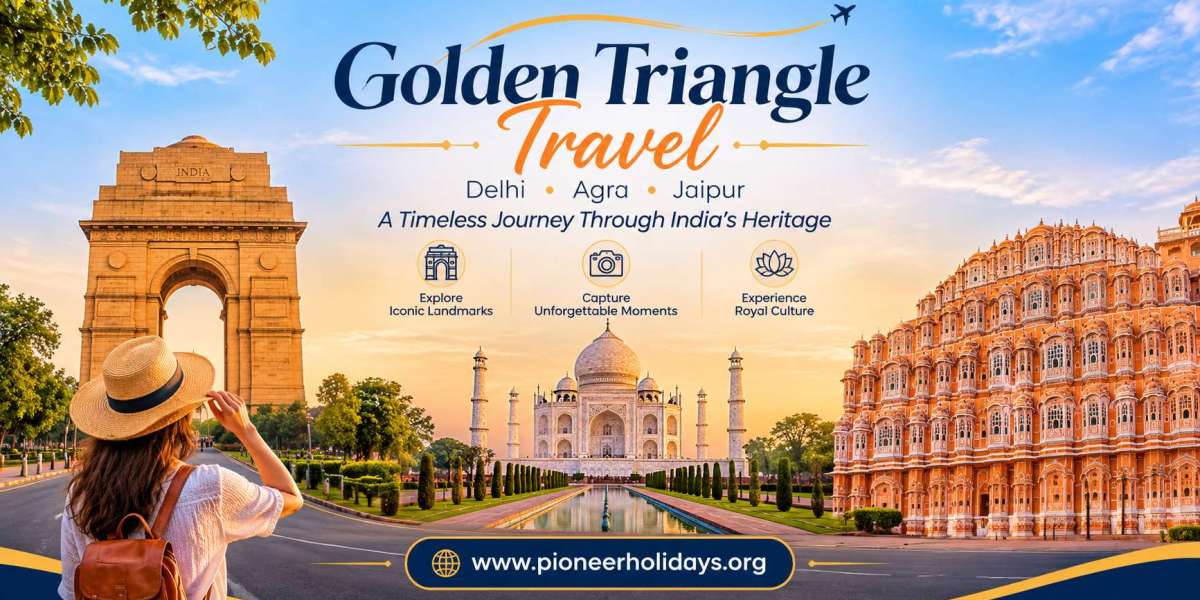

India's architectural history tells the story of different dynasties, artistic traditions, and cultural influences. From the grand Mughal monuments of Agra and Delhi to the magnificent Rajput forts and palaces of Jaipur, North India offers an extraordinary journey through centuries of history. For international visitors, a Golden Triangle Tour India is one of the most convenient ways to experience these contrasting architectural styles in a single holiday.
The traditional route connects Delhi, Agra, and Jaipur. Each city has its own character, making the journey especially rewarding for travellers interested in history, architecture, photography, and local culture. With a well-planned itinerary, you can admire Mughal craftsmanship, explore Rajput royal residences, and understand how these traditions shaped India's heritage.
1. Begin with Mughal Architecture in Delhi
Delhi is an excellent starting point for understanding Mughal architecture. The city contains monuments from several periods, but its Mughal landmarks are particularly impressive.
Begin with Humayun's Tomb, a UNESCO World Heritage Site known for its symmetrical garden layout, red sandstone structure, white marble details, and elegant dome. Built in the 16th century, it is an important example of Mughal architecture and is often associated with the design traditions that influenced later monuments.
Another essential stop is the Red Fort, constructed during the reign of Emperor Shah Jahan. Its massive walls, impressive gateways, audience halls, and decorative details reflect the power and artistic taste of the Mughal Empire.
You can also explore Jama Masjid and the historic lanes of Old Delhi. These areas offer a closer look at the city's religious, commercial, and cultural history.
Travel tip: Delhi has several major attractions, so avoid trying to cover everything in one morning. Choose a few important sites and allow time for traffic and security checks.
2. Discover the Taj Mahal and Agra's Mughal Legacy
Agra is an essential destination for anyone interested in Mughal architecture. Its most famous monument, the Taj Mahal, is widely recognised for its white marble construction, balanced proportions, intricate inlay work, and carefully designed gardens.
Commissioned by Shah Jahan in memory of Mumtaz Mahal, the Taj Mahal demonstrates the refined craftsmanship associated with Mughal architecture. Look closely at the floral patterns, calligraphy, marble screens, and precious-stone inlay. These details reveal the skill involved in creating the monument.
After visiting the Taj Mahal, explore Agra Fort, another UNESCO World Heritage Site. This red sandstone complex served as a major Mughal royal residence and military stronghold. Inside, you will find courtyards, palaces, audience halls, and architectural elements that show how the complex developed under different emperors.
If time permits, visit Itimad-ud-Daulah's Tomb, sometimes called the Baby Taj. Its delicate marble decoration and detailed pietra dura work provide another perspective on Mughal artistic development.
Travel tip: The Taj Mahal is closed to general visitors on Fridays. Sunrise visits are popular because the light creates beautiful photography conditions, but check current entry timings before travelling.
3. Experience Rajput Forts and Palaces in Jaipur
Jaipur introduces a different architectural tradition. Its forts, palaces, gateways, and historic streets reflect the influence of Rajput rulers, local craftsmanship, and regional design.
Start with Amber Fort, located on a hill outside the main city. Its courtyards, decorative gateways, mirror work, and palace rooms offer an impressive introduction to Rajput royal architecture. The Sheesh Mahal, or Mirror Palace, is particularly admired for its intricate decorative work.
In the city centre, visit City Palace, which combines traditional Rajput elements with influences from other architectural styles. Its courtyards, royal collections, decorated doors, and palace buildings provide insight into Jaipur's royal history.
Other worthwhile attractions include Hawa Mahal, known for its distinctive façade and numerous small windows, and Jantar Mantar, a historic astronomical observatory and UNESCO World Heritage Site.
Travel tip: Jaipur's major attractions can take most of a day to explore. Wear comfortable footwear, carry water, and consider hiring a knowledgeable local guide to understand the historical details.
4. Plan the Right Duration for a Golden Triangle Tour India
The amount of time you have will influence how much architectural heritage you can explore. A shorter trip can cover the main highlights, while a longer itinerary gives you more time to understand each destination.
Here are some options to consider:
Two days: A 2 Days Golden Triangle Tour is suitable for travellers with very limited time, although sightseeing will be fast-paced.
Three days: A 3 Days Golden Triangle Tour covers the main cities with a compact schedule.
Four days: A 4 Days Golden Triangle Tour offers a more balanced introduction to the region.
Five days: A 5 Days Golden Triangle Tour allows additional sightseeing time and a more relaxed pace.
Six days: A 6 Days Golden Triangle Tour provides more room for cultural experiences and exploring attractions beyond the main monuments.
If architecture and history are your main interests, choosing at least four or five days can make the experience more enjoyable.
5. Extend Your Journey Beyond the Traditional Golden Triangle
Travellers with extra time can add destinations that introduce other aspects of India's heritage and culture.
For wildlife and history, a Golden Triangle Tour with Ranthambore combines the main cities with a visit to Ranthambore National Park.
If you are interested in spiritual traditions, a Golden Triangle Tour with Varanasi adds one of India's oldest living cities, famous for its riverfront ghats and religious ceremonies.
Other extensions offer different cultural perspectives:
A Golden Triangle Tour with Amritsar includes the Golden Temple and the heritage of Punjab.
A Golden Triangle Tour with Udaipur introduces visitors to lakeside palaces and Mewar history.
A Golden Triangle Tour with Jodhpur and Udaipur explores more of Rajasthan's royal architecture and historic cities.
These extensions are especially useful for travellers who want to understand the wider architectural and cultural diversity of North India.
6. Practical Tips for Exploring India's Architectural Heritage
A few simple preparations can help you make the most of your journey:
Travel between October and March: These months generally offer more comfortable weather for outdoor sightseeing.
Hire qualified local guides: A guide can explain architectural features, historical events, and cultural details that may otherwise go unnoticed.
Check monument timings: Opening hours, ticket arrangements, and visitor rules can change. Confirm details before your visit.
Dress comfortably: Choose breathable clothing and comfortable walking shoes, especially when exploring forts and large monument complexes.
Keep your schedule realistic: Allow time for road transfers, meals, traffic, and rest instead of planning too many attractions in one day.
Respect local customs: Follow photography restrictions and dress requirements at religious sites.
Frequently Asked Questions
Can I see Mughal and Rajput architecture on the same trip?
Yes. Delhi and Agra offer important examples of Mughal architecture, while Jaipur is known for its Rajput forts, palaces, and historic buildings.
Which city should I spend the most time in?
It depends on your interests. Agra deserves time for its Mughal monuments, Delhi has a wider range of historical attractions, and Jaipur offers several major forts and palaces. A balanced itinerary should include all three.
Is a local guide useful for architecture lovers?
Yes. A knowledgeable guide can explain construction techniques, decorative features, historical influences, and the stories behind individual monuments, making each visit more meaningful.
Conclusion
Exploring Mughal architecture and Rajput heritage on one journey offers a fascinating introduction to India's history. Delhi and Agra reveal the artistic achievements of Mughal rulers, while Jaipur showcases the grandeur and craftsmanship of Rajput traditions.
A thoughtfully planned Golden Triangle Tour India allows you to experience these architectural styles without travelling across the entire country. Choose a suitable duration, give yourself enough time at major monuments, and consider adding destinations if your schedule permits.
For travellers looking for a personalised way to explore these historic cities, Pioneer Holidays offers private India tour arrangements that can be adapted to individual interests, travel dates, and sightseeing preferences.