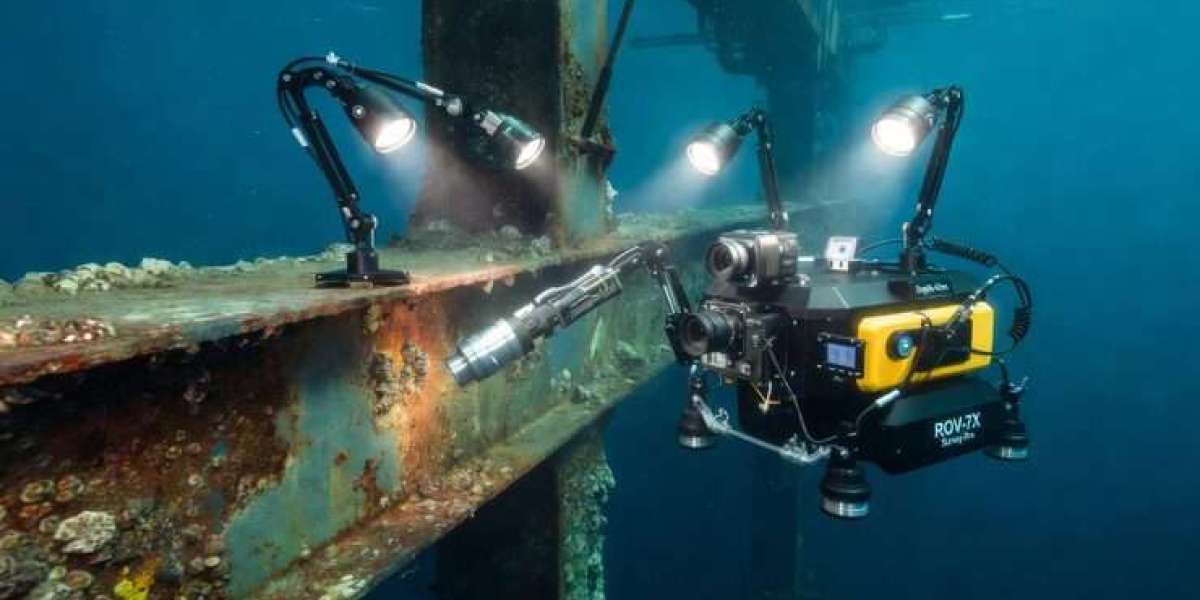

Picture a facility manager reading a proposal that says “underwater inspection, video included.” She’s got a submerged outfall, a tight budget and one big question: is it still safe? A camera dive might show a rusty surface. It won’t tell her how much steel is left. That gap is where the real work begins.
Underwater inspection services from Ven-Tech Subsea cover much more than footage. The company’s page describes visual testing, ultrasonic thickness readings, magnetic particle and liquid penetrant testing, ROV work, sonar and detailed reporting. Here’s what each piece does, in plain words, and why the mix matters.
Start With the Question, Not the Tool
Ven-Tech says every scope is built around the decision the owner needs to make, not around a single instrument. Is it condition, remaining thickness, visible damage, surface indications, geometry, obstructions or change over time? Naming the question first keeps the whole job focused and stops people paying for data they won’t use.
Next comes the asset itself: material, operating condition, access, known damage mechanisms and the acceptance basis. Only then does the team choose a combination of commercial diver, ROV, visual testing, UT, MT, PT, sonar or spatial documentation. The tool follows the problem, which is how it should be.
The Methods, One by One
Visual Testing
Visual records combine qualified personnel, live communications, scale references, high definition imagery, location notes and indexed video. It’s best for observable condition: corrosion, marine growth, coating, weld profile and geometry. Visibility, access, cleaning and camera perspective all affect how confident anyone can be in what they see.
Ultrasonic Thickness
UT readings suit metallic components, and they come with calibration, surface preparation, defined measurement locations and documented material assumptions. Reliable numbers depend on couplant, contact, geometry, material velocity and a proper measurement grid. Without that discipline, a thickness reading is just a number floating in space.
Surface Testing With MT and PT
Magnetic particle testing screens for surface and near surface indications in ferromagnetic materials. Liquid penetrant testing targets surface breaking indications on clean, compatible, non porous surfaces. Both need good preparation and qualified interpretation, so they’re used where the material and the question justify them.
Where Underwater Inspection Services Pay Off
Many owners only call when something looks wrong. Yet underwater inspection services can also give you a baseline, so later readings have something to be compared against. Ven-Tech says its UT tables are structured for trending, which helps when you’d rather see change over time than guess.
Often the work can be done without dewatering. Divers and ROVs can examine many assets while submerged, which may reduce shutdown or dewatering needs. The company adds that operating state, flow, contamination, stored energy and access still have to be reviewed before any plan is confirmed. Reasonable caution, really.
Watching the Work Live
The dive supervisor and inspection team can monitor video, communications, location references and data quality while the work is underway. That means cleaning, camera angle, lighting or measurement density can be adjusted before the crew leaves. Client or engineering representatives can join the review too.
Hold points and coverage confirmation are part of the routine. So are repeat readings and immediate notes about access or visibility limits. If a gap shows up, it’s far cheaper to fix it while the equipment’s still on site than to remobilize weeks later.
What You Receive
The agreed package can include an inspection plan and coverage map, indexed HD photo and video, measurement tables, a finding register and method and quality records. It also lists limitations and next actions, plus sonar or 3D outputs when they’re in scope. Everything ties back to a location.
Ven-Tech keeps observations and measurements separate from engineering conclusions. Where a stamped opinion or fitness for service assessment is needed, findings can be organized for the owner’s engineer or a separately engaged professional engineer. That’s an honest line to draw, and it protects everyone involved.
Getting Started
To get a quote, send the asset type and location, drawings, material and coating if known, operating condition, water depth, access, known concerns, inspection history, shutdown constraints, acceptance criteria, schedule and required deliverables. Missing NFPA tank inspections details aren’t a dealbreaker, since the team will say what else it needs.
The commercial diving line is 604 230 3022, and the email is info@ven-techsubsea.ca. For fire water tanks, Ven-Tech also handles NFPions, A tank inspectso one conversation can cover several assets at the same site.
Conclusion
A camera dive shows you the surface. A well planned inspection tells you what’s behind it. By matching methods to the question, watching quality live and reporting limits openly, Ven-Tech turns a dive into evidence you can act on. Start with the question you need answered, and let the method follow.
FAQs
What is underwater inspection and NDT?
It combines visual examination, measurements and suitable non destructive methods to document submerged assets without unnecessarily damaging them.
Which NDT methods are supported?
Close visual testing, UT thickness measurement, magnetic particle and liquid penetrant testing, plus ROV, sonar and photogrammetry workflows.
Can inspections happen without dewatering?
Often yes, though operating state, flow, contamination and access must be reviewed first.
Does Ven-Tech provide engineering certification?
It provides inspection evidence and reporting. Stamped engineering opinions come from a separately engaged professional engineer.