
Adolescence is a turning point. It is when young people begin to make decisions that shape their health, education and future. For girls in particular, the choices and chances available during these years can decide whether they stay in school, build a livelihood and live in safety, or face early pregnancy, early marriage and limited opportunity. Three pillars work together to change this picture: sexual and reproductive education, human rights education and economic empowerment. Together, they give women and girls in Cameroon the knowledge, confidence and independence to shape their own lives.
Why Adolescent Sexual and Reproductive Education Matters
Many young people grow up without clear, accurate information about their own bodies. Silence, shame and myths often fill the gap, leaving adolescents to rely on rumors or unreliable sources. Quality adolescent sexual and reproductive education closes that gap by giving young people honest, age-appropriate information they can use to protect themselves.
Good education in this area typically covers:
- Understanding the body: how puberty, menstruation and reproduction work, explained without stigma.
- Disease prevention: how infections, including HIV, are transmitted and prevented, and why testing and treatment matter.
- Healthy relationships: the meaning of consent, respect and the right to say no.
- Planning for the future: knowing the risks of early pregnancy and where to find health services.
- Reducing stigma: encouraging compassion toward people living with HIV and other health conditions.
When adolescents have this knowledge, they are better able to protect their health, stay in school and make informed decisions. For girls especially, understanding their bodies and rights can reduce the risk of early pregnancy and exploitation, which often end a girl’s education too soon.
Effective programs work with families, teachers and community leaders, not around them. Parents who understand the value of open conversations become allies, and communities that talk openly about health are better able to support their young people.
The Power of Women and Girls Human Rights Education
Knowing your rights is the first step toward claiming them. Women and girls human rights education teaches people that they are entitled to dignity, safety, education, health care and a voice in decisions that affect them.
In many communities, girls grow up believing that certain limits are simply the way things are. They may think that their education matters less than a brother’s, that early marriage is inevitable or that violence in the home is a private matter. Human rights education challenges these ideas gently and respectfully. It helps women and girls to:
- Recognize violence, discrimination and harmful practices for what they are.
- Understand that education, health and safety are rights, not favors.
- Learn where to seek help, whether from community leaders, health workers or local organizations.
- Speak up for themselves and for others.
This education is not only for women and girls. Men and boys, traditional leaders, teachers and parents all have a role. When whole communities understand and respect the rights of women and girls, change becomes lasting rather than temporary. Rights education also supports the other pillars: a girl who knows her rights is more likely to stay in school, seek health information and pursue economic opportunities.
Women Economic Empowerment: Turning Knowledge into Independence
Education and awareness open doors, but economic independence helps women walk through them. Women economic empowerment means giving women the skills, resources and opportunities to earn their own income, manage money and make independent decisions.
Practical approaches include:
- Income-generation training: skills such as small-scale farming, tailoring, food processing and petty trade.
- Financial literacy: learning to save, budget and grow a small business.
- Nutrition and health support: ensuring women have the strength and wellbeing to work and care for their families.
- Access to decision-making: encouraging women to take part in associations, cooperatives and community leadership.
The benefits spread quickly. When women earn, children are more likely to attend school, families eat better and women gain confidence and respect. Economic independence also gives women more freedom to leave unsafe situations and to resist pressures such as early or forced marriage for their daughters. For women living with HIV or facing other vulnerabilities, a steady income can mean dignity, stability and hope.
How the Three Pillars Reinforce Each Other
These three areas are strongest when they are connected:
- Education supports empowerment. A girl who understands her health and rights is better prepared to stay in school and build skills for work.
- Rights awareness protects health. Women who know they can say no, ask questions and seek care are better able to protect themselves.
- Income sustains change. Economic independence helps women and girls act on what they have learned, rather than remaining dependent on others.
A girl who receives accurate health information, understands her rights and later gains the skills to earn a living is far more likely to build a safe, healthy and productive life. Her children, in turn, start from a stronger position.
The Role of Community Organizations
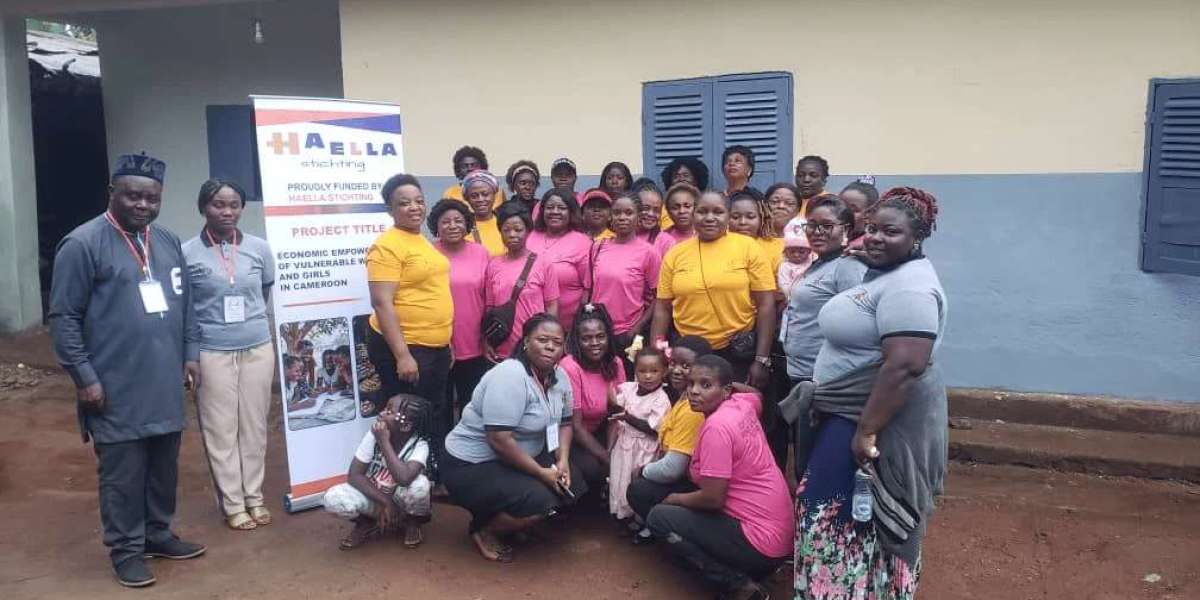
Lasting change often comes from the ground up. Local organizations understand the languages, customs and needs of the communities they serve, and they build the trust that makes honest conversations about sensitive topics possible. INTERNAP Cameroon, a non-profit established in 2004, works in communities across the South West, North West and West Regions. Its work promotes gender equality and supports women and girls through education, health awareness and community development, showing how grassroots action can bring these pillars together.
How You Can Support Women and Girls
Everyone can contribute to a more equal future:
- Start conversations. Talk openly and respectfully with young people about health and rights.
- Support girls’ education. Even small contributions toward fees or supplies can keep a girl in school.
- Back local organizations. Donate, volunteer or share the work of community groups.
- Challenge harmful attitudes. Speak up when girls’ choices or safety are dismissed.
- Encourage women’s livelihoods. Support training and small businesses run by women.
Final Thoughts
Giving young people accurate health information, teaching women and girls about their rights and opening pathways to economic independence are not separate projects. They are parts of one goal: ensuring that every woman and girl can protect her health, claim her rights and build her own future. When communities invest in all three, the benefits reach families, neighborhoods and the nation as a whole. Every conversation, contribution and act of support brings Cameroon closer to a future where women and girls can thrive.