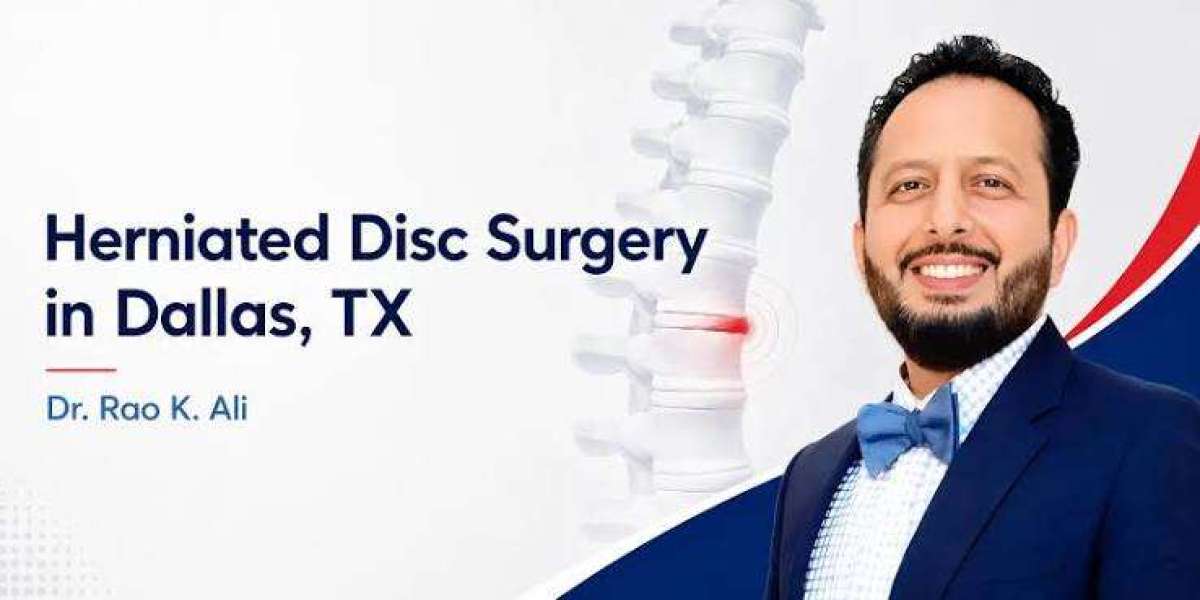

A herniated disc can cause persistent back pain, limited movement, and symptoms that interfere with work and everyday activities. At Premier Pain Centers, Dr. Rao K. Ali focuses on evaluating pain conditions and discussing appropriate treatment approaches for patients in Dallas, TX. Understanding the available options can help patients make informed decisions about their spine health.
Not every herniated disc requires surgery. Some people improve with medication, physical therapy, activity changes, and other non-surgical treatments. However, when symptoms continue, become severe, or involve nerve-related problems, further evaluation may be necessary. Knowing when herniated disc surgery in Dallas TX is considered and what alternatives are available can help patients understand their next steps.
What is a Herniated Disc?
A herniated disc develops when the soft inner material of a spinal disc pushes through a weakened or damaged outer layer. Spinal discs sit between the bones of the spine and act as cushions during movement. They also help the spine bend, twist, and support the body’s weight.
When part of a disc moves beyond its normal position, it may irritate nearby nerves. This can cause pain, tingling, numbness, or weakness, depending on the location and severity of the problem. A herniated disc can occur in different areas of the spine, although the lower back is a common location.
Common Causes of a Herniated Disc
Herniated discs can develop through gradual wear and tear or after an injury. As people age, spinal discs may lose some of their flexibility and become more likely to develop cracks or tears. Repeated lifting, sudden twisting, and poor lifting techniques can also place additional stress on the spine.
Certain factors may increase the likelihood of disc problems. These include prolonged sitting, excess body weight, smoking, physically demanding work, and a family history of spinal conditions. However, a person can develop a herniated disc without having any obvious risk factors.
Symptoms That May Indicate a Herniated Disc
Symptoms depend on which part of the spine is affected and whether nearby nerves are irritated. Some people experience local back pain, while others notice symptoms travelling into the buttocks, legs, shoulders, or arms. Common symptoms include:
Lower back pain that becomes worse with certain movements.
Pain travelling from the lower back into one leg.
Tingling or numbness in the arms, hands, legs, or feet.
Muscle weakness affecting normal movement.
Pain that increases when coughing, sneezing, or bending.
Difficulty sitting, standing, or walking comfortably.
When Should You Consider Herniated Disc Treatment in Dallas TX?
A herniated disc does not automatically mean surgery is necessary. Many patients improve with conservative treatment, particularly when symptoms are not severe and there are no signs of serious nerve damage. The appropriate approach depends on the patient’s examination, medical history, and response to initial care.
When Non-Surgical Treatment May Be Appropriate
Non-surgical care is often the first approach for patients with a herniated disc. Treatment may include physical therapy, appropriate medication, activity adjustments, and guided exercises. These methods aim to reduce symptoms, improve movement, and support the body’s natural recovery process.
Patients may also benefit from learning how to lift objects safely, maintain comfortable sitting positions, and avoid activities that repeatedly increase their symptoms. A healthcare professional can recommend suitable activity levels rather than advising complete bed rest.
Signs That Surgery May Be Necessary
Surgery may be considered when symptoms remain severe despite appropriate non-surgical treatment. It may also be recommended when a herniated disc causes significant nerve compression or progressive muscle weakness.
A specialist will consider several factors before discussing surgery, including the location of the disc problem, the severity of symptoms, examination findings, and imaging results. The goal is to determine if the disc is responsible for the symptoms and if an operation is likely to provide meaningful benefit.
Understanding Lumbar Herniated Disc Surgery
The lumbar spine is the lower portion of the back and carries much of the body’s weight. A herniated disc in this area can irritate nearby nerves and cause lower back pain, sciatica, or weakness in the legs. When symptoms are severe or continue despite appropriate treatment, a surgical procedure may be discussed.
What Happens During Lumbar Disc Surgery?
Lumbar Herniated Disc Surgery generally involves removing the portion of the damaged disc that is pressing against a spinal nerve. One common procedure is called a discectomy. The surgeon identifies the affected area and removes the displaced disc material to reduce pressure on the nerve.
The procedure may help relieve nerve-related leg pain and improve movement in carefully selected patients. However, surgery does not guarantee complete relief, and some people may continue to experience back pain after the procedure. The expected benefits and possible risks should be discussed before making a decision.
Different Surgical Approaches
The surgical approach depends on the location of the herniation, the amount of nerve compression, and the patient’s overall condition. Common approaches include:
Discectomy: Removes the portion of the disc pressing against a nerve.
Microdiscectomy: Uses magnification and smaller surgical instruments to remove the affected disc material.
Endoscopic discectomy: Uses a small camera and specialised instruments through a limited surgical opening.
Laminotomy: Removes a small portion of the spinal bone to provide access to the affected nerve or disc.
Are Minimally Invasive Procedures an Option?
Traditional spine surgery may require larger incisions and more disruption of surrounding tissues. Modern surgical techniques offer selected patients the possibility of smaller incisions and more focused access to the affected spinal area. However, not every herniated disc is suitable for these procedures.
Benefits of Minimally Invasive Disc Surgery
Minimally invasive disc surgery uses specialised instruments and smaller surgical openings to reach the affected disc. Depending on the procedure and the patient’s condition, potential benefits may include:
Smaller surgical incisions.
Less disruption to surrounding muscles.
Reduced blood loss in some procedures.
Shorter hospital stays for suitable patients.
A gradual return to normal activities.
What to Know About Minimally Invasive Spine Surgery?
Patients exploring minimally invasive spine surgery Dallas TX should understand that the term describes several different surgical techniques. The best option depends on the condition being treated, the surgeon’s experience, and the expected benefits compared with non-surgical care.
A consultation should include a review of imaging, discussion of recovery expectations, and an explanation of possible complications. Patients may also ask about alternative procedures and whether their condition can be managed without an operation.
Recovery and Possible Risks After Herniated Disc Surgery
Recovery depends on the type of operation, the patient’s general health, and the severity of the original nerve problem. Some people return to light activities relatively quickly, while others need a longer recovery period and supervised rehabilitation.
What Happens During Recovery?
After surgery, patients receive instructions about movement, wound care, medication, and activity restrictions. Walking may be encouraged soon after the procedure, depending on the surgeon’s recommendations. Heavy lifting, repeated bending, and strenuous exercise may need to be avoided temporarily.
Physical therapy may be recommended to rebuild strength and improve flexibility. Returning to work depends on the nature of the job and individual progress. Patients with physically demanding responsibilities may need more time before resuming their usual duties.
Possible Risks and Complications
Like other operations, herniated disc surgery has potential risks. These can include infection, bleeding, blood clots, nerve injury, spinal fluid leakage, and continued or recurring symptoms. In some cases, another procedure may become necessary if disc material herniates again.
Patients should discuss these risks with their surgeon before proceeding. Understanding the recovery process and following medical instructions can help support a safer return to daily activities.
Choosing the Right Specialist for a Herniated Disc
Finding the right healthcare professional is an important part of managing a spinal condition. Patients should look for someone who can explain their diagnosis, discuss suitable treatment options, and help them understand when surgical evaluation may be necessary.
When to Search for a Herniated Disc Surgeon Near Me
Searching for a herniated disc surgeon near me can help patients find specialists who evaluate and treat spinal disc conditions. Before choosing a surgeon, patients should consider their experience with the specific procedure, treatment recommendations, and willingness to explain the potential benefits and risks.
A second opinion can also be helpful when surgery has been recommended. It allows patients to understand alternative approaches and make a more informed decision about their care.
Why Consult a Spine Specialist in Dallas TX?
A spine specialist in Dallas TX can assess symptoms, review diagnostic findings, and determine whether conservative treatment or surgical consultation may be appropriate. A detailed evaluation is important because back pain can have several possible causes, and not every painful disc requires an operation.
Dr. Rao K. Ali at Premier Pain Centers provides pain management care for patients with different spine-related conditions. His role in pain management can help patients explore appropriate non-surgical options and understand the next steps when additional specialist or surgical evaluation is needed.
Conclusion
A herniated disc can affect mobility, sleep, work, and everyday activities, but surgery is not the only treatment option. Herniated disc surgery in Dallas TX may be considered for patients with severe or persistent back pain when conservative treatments fail to provide sufficient relief. Dr. Rao K. Ali can help patients explore pain management options based on their individual symptoms and needs. If persistent back or leg pain is affecting your quality of life, book an appointment with Premier Pain Centers to discuss your condition and learn about appropriate treatment options.
Frequently Asked Questions
1. How much does surgery cost for a herniated disc?
The cost of herniated disc surgery depends on the type of procedure, hospital fees, surgeon’s experience, insurance coverage, and recovery requirements. In Dallas, TX, patients should consult their healthcare provider and insurance company to understand the estimated expenses before proceeding with surgery.
2. Can you recover 100% from a herniated disc?
Yes, many people recover fully or experience significant improvement from a herniated disc. Recovery depends on the severity of the disc injury, nerve involvement, overall health, and treatment approach. Physical therapy, medication, lifestyle changes, and surgery in selected cases can help restore mobility and reduce symptoms.
3. What is the success rate of L4-L5 herniated disc surgery?
L4-L5 herniated disc surgery, particularly microdiscectomy, generally has a high success rate for relieving leg pain caused by nerve compression. However, outcomes vary depending on the patient’s condition, the severity of nerve involvement, and the surgical technique. Proper rehabilitation also plays an important role in recovery.
4. How risky is L4-L5 surgery?
L4-L5 surgery is generally considered safe when performed by an experienced spine surgeon, but it carries potential risks. These may include infection, bleeding, nerve injury, spinal fluid leakage, or recurrent disc herniation. A specialist evaluates the patient’s condition and discusses the potential benefits and risks before recommending surgery.