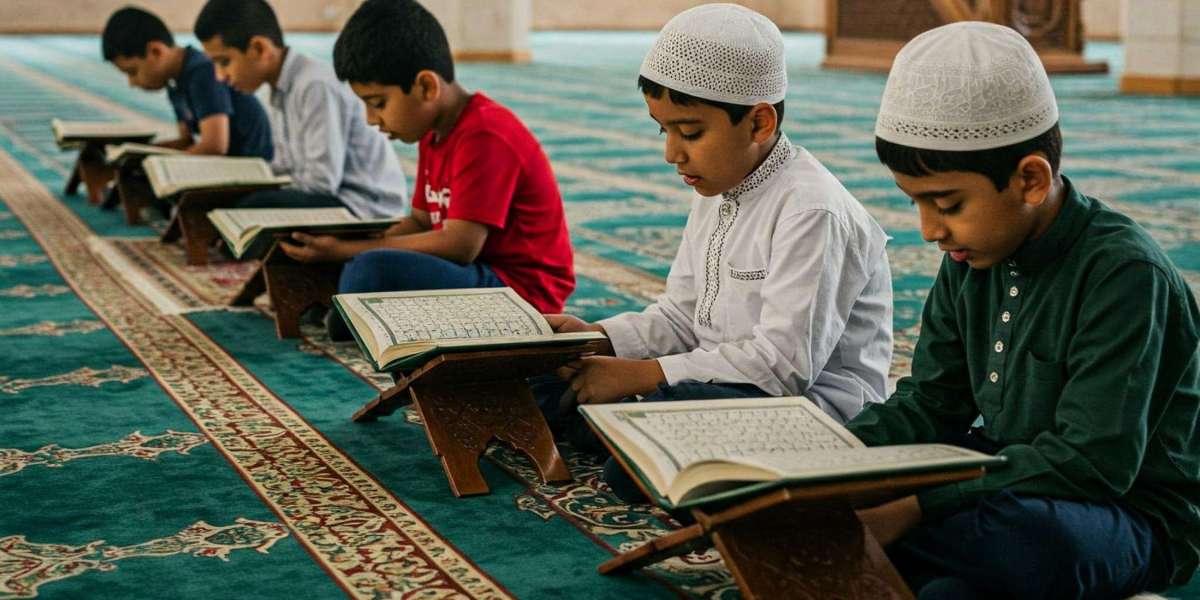

Quran Teacher Kentish Town: What Parents Should Look For
Finding a suitable Quran Teacher Kentish Town can be an important step for parents who want their children to develop a strong connection with the Holy Quran. Learning the Quran is not only about reading Arabic words. It also involves understanding correct pronunciation, developing good habits and learning the values of Islam. A supportive teacher can make this journey easier, more enjoyable and meaningful for young students.
Parents should look for a learning environment where children feel comfortable asking questions and practising their lessons. A good teacher understands that every child learns at a different speed and needs suitable guidance.
Why Is Quran Education Important for Children?
Quran education helps children build a strong foundation in their faith. When children start learning at an early age, they become familiar with Arabic letters, short Surahs and basic Islamic teachings.
Regular lessons can also help develop patience, discipline and concentration. These qualities are useful in school and everyday life. Children gradually learn the importance of respect, honesty, kindness and responsibility through Islamic education.
Parents can support this process by encouraging children to practise their lessons at home and making Quran learning part of their daily routine.
Qualities of a Good Quran Teacher
Choosing the right teacher requires more than checking teaching experience. Parents should consider several important qualities.
1. Strong Quran Knowledge
A teacher should understand Quran reading, pronunciation and basic Tajweed rules. This helps students learn correctly from the beginning.
2. Patience and Understanding
Young learners sometimes make mistakes or need extra time to understand a lesson. A patient teacher explains difficult topics in simple words and encourages students to keep practising.
3. Clear Teaching Methods
Lessons should follow a suitable learning structure. Teachers can begin with Arabic letters, move towards word formation and gradually introduce complete Quranic verses.
4. Positive Communication
Children often learn better when teachers provide encouragement instead of criticism. Regular feedback also helps parents understand their child's progress.
The Importance of Tajweed in Quran Reading
Tajweed refers to the rules that guide the correct pronunciation of Quranic letters and words. Learning these rules helps students improve their recitation and avoid common mistakes.
Children should gradually become familiar with letter sounds, Makharij and basic pronunciation rules. Teachers can use repetition and listening exercises to help students recognise differences between Arabic sounds.
Parents may also explore an Islamic School Kentish Town when looking for a structured learning environment that combines Quran education with essential Islamic knowledge.
How Children Can Improve Their Quran Reading Skills
Consistent practice is one of the most effective ways to improve Quran reading.
Here are some useful learning habits:
Practise reading for a short time every day.
Revise previously learned lessons regularly.
Listen carefully to correct Quran recitation.
Repeat difficult words under teacher guidance.
Set small and realistic learning goals.
Celebrate progress to maintain motivation.
Parents should avoid putting too much pressure on children. Learning should be steady and enjoyable rather than stressful.
Why a Structured Learning Programme Makes a Difference
A structured programme provides a clear path from beginner lessons to more advanced learning. Students can understand what they have learned and what they need to study next.
For example, beginners may start with Noorani Qaida or another suitable introductory method. After developing basic reading skills, they can progress towards Quran recitation, memorisation and Tajweed.
Assessment is also useful because it helps teachers identify areas where students need additional support. A suitable programme may include Quran reading, Arabic writing, Duas, Islamic beliefs and stories of the Prophets.
How Parents Can Support Quran Learning at Home
Parents play an important role in their children's educational journey. Even a short daily revision session can make a difference.
Create a quiet study area where children can read without unnecessary distractions. Keep their Quran and learning materials organised. Ask them to explain what they learned during their lessons.
It is also helpful to establish a regular timetable. When children know their study time, they can develop a consistent routine.
Parents should communicate with teachers about progress and difficulties. Working together makes it easier to identify learning needs.
Benefits of Weekend and Weekday Quran Classes
Different families have different schedules. Some parents prefer weekday lessons because children can study after school. Others choose weekend programmes because they provide more time for learning.
Weekend programmes may combine Quran reading, Arabic, memorisation of Duas and Islamic studies. Weekday classes can provide regular practice throughout the week.
The best choice depends on the child's school timetable, age, learning level and family commitments.
Frequently Asked Questions
1. At what age should children start learning the Quran?
Children can begin with basic Arabic letters and simple Islamic learning when they are ready. The teaching method should match their age and understanding.
2. How long should children practise Quran reading daily?
A short and consistent practice session of around 10 to 20 minutes can be a useful starting point. The duration can increase as the child develops confidence.
3. Why is Tajweed important?
Tajweed teaches students how to pronounce Quranic letters correctly and follow the rules of recitation.
4. Can beginners learn Quran without previous experience?
Yes. Beginners can start with Arabic letters and basic reading exercises before progressing towards complete Quranic verses.
5. How can parents check their child's progress?
Parents can speak with teachers, review completed lessons and listen to their child's regular reading practice.
Conclusion
Choosing the right Quran teacher is an important investment in a child's Islamic education. Parents should consider teaching quality, patience, lesson structure and opportunities for regular practice. A positive learning environment helps children develop confidence and build lasting Quran reading habits. For families exploring structured Islamic learning opportunities in London, Darul Quran London is one option to explore when considering suitable educational programmes.